
SERIES · 90 AND COUNTING
What happened to Alan Alda: 90, Parkinson's and humor
Short answer: what happened to Alan Alda? He is 90 years old. On October 4 he sat down on CBS Sunday Morning to talk about living with Parkinson's for more than a decade, and he told how it all started. It was not a tremor. It was not his voice. It was a dream.
He dreamed someone was attacking him. He grabbed a sack of potatoes and threw it at the attacker. In real life, the sack was a pillow. And he threw it at Arlene, his wife, who was sleeping beside him.
Educational content prepared with official health sources. Professional medical review pending.
No personalized diagnoses: consult your doctor.
📅 Published October 14, 2026 · 90 and counting series · 5-minute read
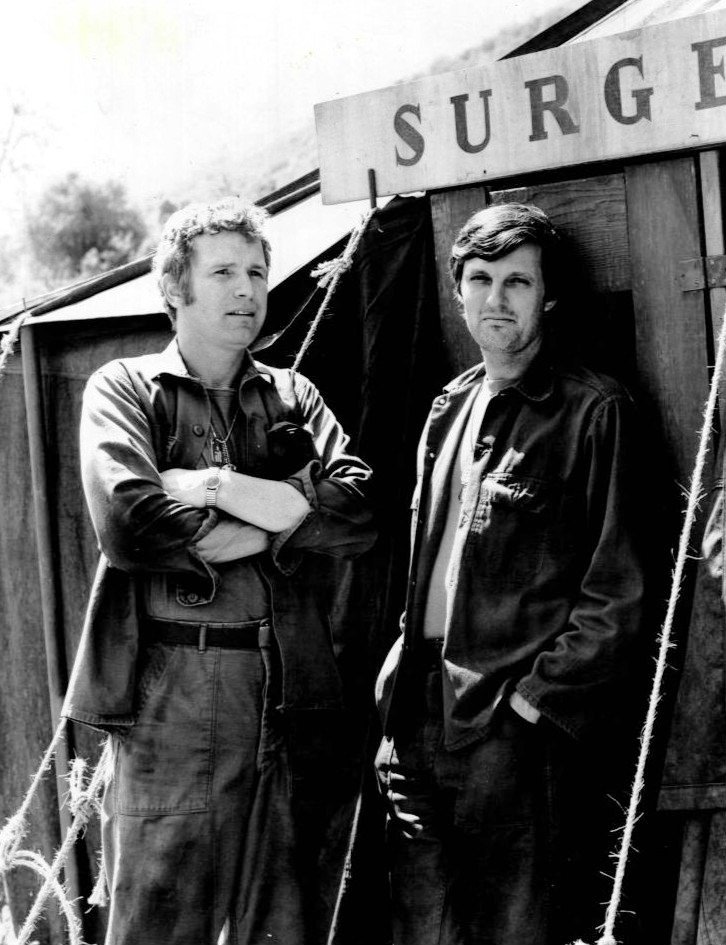
For a whole generation, Alan Alda was the doctor in the house. Hawkeye Pierce, the M*A*S*H surgeon who operated by day and made people laugh by night, ran for eleven seasons on television, starting in 1972. Alda won six Emmy Awards. Five of them were for that show.
Today he is 90. And the interview he gave this month was not about the show.
The warning sign almost nobody knows
His first symptom showed up when he was 79, and it looked nothing like what people picture. He said it himself on CBS: no twitch, no tremor, no problems with his voice. What he had was something else: he acted out his dreams in his sleep.
That has a name: REM sleep behavior disorder. During REM sleep the body normally goes still, as if switched off, while the mind dreams. In some people that brake does not work, and the body does what the dream says: throw, kick, shout. For Alda it happened with a pillow. For others it is stronger, and some people fall out of bed.
Doctors have studied it for years because in a share of cases it appears long before the Parkinson's symptoms everyone knows. Alda received his diagnosis around 2015 and went public with it in 2018. Telling the story now, at 90, pillow included, is his way of saying: if this happens to you, do not let it pass either.
It does not define him. He jokes about it
His outlook fits in two short lines from the interview. First: reality is his friend; he does not want to wish the illness away, because he cannot, and he would rather accept what is. Second, and shorter: Parkinson's is not who he is. In his words, it is just a hobby.
And he laughs at the everyday parts. He described writing emails while his hand drifts across the screen and deletes things he needs. Instead of getting angry, he jokingly blames an imaginary doctor. Then he tells Arlene, and the two of them laugh. That is the method. It is not denial. It is something else: look straight at it, and laugh anyway.
He is still creating
Alda did not retire to watch the days go by. Since 2018 he has hosted the Clear+Vivid podcast, where he talks with scientists, actors and writers about one thing: how to communicate clearly. It sounds technical. It is not. It is the theme of his life.
In 2009 he founded a center at Stony Brook University that bears his name and trains scientists and health professionals to explain their work without confusing anyone. Think about that: the actor who played a doctor has spent fifteen years teaching real doctors to talk like people. He also takes selective screen roles, like in the series The Four Seasons, when a part appeals to him.
And there is Arlene. They have been married for almost seventy years. They have three daughters and eight grandchildren. She was the one who caught the pillow in that dream, and she is the first to hear every new joke about the illness. At 90, that is structure too: someone to laugh with about what hurts.
What science is testing now
In September 2026, Yale University announced the PRISMS trial, the first of its kind: it aims to intervene early, with an immune-based approach, in people who act out their dreams in their sleep, to try to slow or prevent Parkinson's and related diseases before they advance. It is research in progress, not an available treatment. But the direction matters: the sign Alda had at 79 is now a doorway for study.
And here is the question this house always leaves behind, to take to your next appointment: if you or your partner act out dreams, move a lot in your sleep, hit out or fall out of bed, it is worth mentioning to your doctor. It may be nothing. It may be an early sign worth watching. A professional decides that, with your full history in hand. Nothing Alda described is a diagnosis for anyone, and neither is this article.
Sleeping well is health too
Alan Alda offers no medical advice, and neither do we. But sleep, stress and anxiety affect each other, and doctors keep saying it: what happens at night is felt during the day. This guide explains how to manage anxiety and stress, and when to ask for help.
See the anxiety and stress guide →Educational content. Not medical advice and not a substitute for consulting a healthcare professional. Rather talk to a specialist who speaks your language? Contact us here →
Frequently asked questions
Is Alan Alda still alive?
Yes. He turned 90 earlier in 2026, and on October 4, 2026, he appeared on CBS Sunday Morning talking about his life with Parkinson's.
How old is Alan Alda?
90. He turned 90 earlier in 2026.
What was Alan Alda's first Parkinson's symptom?
Acting out his dreams in his sleep, a REM sleep behavior disorder. He described it on CBS on October 4, 2026: no twitch, no tremor and no voice problems. In one dream he threw a pillow at his wife, believing it was a sack of potatoes aimed at an attacker.
When was Alan Alda diagnosed with Parkinson's?
He received the diagnosis around 2015, about three and a half years before going public in 2018. His first symptom appeared when he was 79.
What is Alan Alda doing today?
He is still creating: he has hosted the Clear+Vivid podcast since 2018, supports the science communication center he founded at Stony Brook in 2009, and takes selective screen roles. He lives with his wife Arlene, to whom he has been married for almost 70 years.
Does acting out dreams in your sleep mean someone will get Parkinson's?
Not necessarily. REM sleep behavior disorder is associated in some cases with Parkinson's and related diseases, and it can appear years earlier, but having it is not a diagnosis. If it happens to you or your partner, the right move is to mention it at your next appointment and let a professional evaluate it.
References
- Men's Journal, "Alan Alda, 90, Reveals the Strange Parkinson's Symptom He Had Before a Tremor" (October 5, 2026: the October 4 CBS Sunday Morning interview, the pillow anecdote, and Yale's September 2026 PRISMS trial announcement): mensjournal.com.
- Soap Central, "How old is Alan Alda? Veteran filmmaker opens up about Parkinson's diagnosis" (October 2026: he turned 90 earlier this year, went public in 2018 after a diagnosis about three and a half years earlier, five of his six Emmys were for M*A*S*H): soapcentral.com.
- CBS Sunday Morning, interview with Dr. Jon LaPook, October 4, 2026 (via same-day coverage cited above).
📷 Photo: 1972 M*A*S*H publicity photo (CBS Television) — Alan Alda as Hawkeye, with Wayne Rogers — via Wikimedia Commons (public domain in the U.S.).