
SERIES · 90 AND COUNTING
What happened to Dolores Huerta: 96 and 'Sí Se Puede'
Short answer: what happened to Dolores Huerta? She is 96 —born April 10, 1930, in Dawson, New Mexico— and she has not retired to rest. In April of this year, San Francisco held its annual farmworker march under her name, one day after her birthday. And in May she stood in downtown Los Angeles, in front of a 100-foot mural bearing her face, and addressed the crowd. The teacher who left her classroom because her students arrived hungry is still showing up in public, with a cause and a microphone.
She is the first figure in this series who does not come from Hollywood. She comes from California's fields — where half of our audience grew up.
Educational content prepared with official health sources. Professional medical review pending.
No personalized diagnoses: consult your doctor.
📅 Published October 19, 2026 · 90 and counting series · 5-minute read
Picture the scene. May 2026, downtown Los Angeles. They unveil a 100-foot mural on the wall of the Barclay Hotel: the face of Dolores Huerta looking out over the city. She is down below, having just turned 96. She could have sent a recorded message. She could have stayed home.
She stood before the crowd and spoke: "I am honored… I call on all women to be women of struggle."
Ninety-six years old. And still calling people to action.
The teacher who left her classroom
Dolores Clara Fernández was born on April 10, 1930, in Dawson, a mining town in New Mexico, and grew up in Stockton, California. As a young woman she taught the children of farmworkers — kids who walked to the fields with their parents before the sun came up.
And something happened in that classroom that changed her life: the children arrived hungry. Without shoes. She said it herself later, in a line the National Park Service preserves: she could do more by organizing farm workers than by trying to teach their hungry children.
She left the classroom. Not out of ambition: because of those children.
1962: building what did not exist
In 1962 she co-founded the National Farm Workers Association, which in time became the United Farm Workers, the farm labor union. It was the first time field workers — people who harvested an entire country's food with no contract, no set hours, no protection — had an organization of their own to bargain for them.
Three years later came the big test: the Delano grape strike of 1965, which turned the country's eyes toward California's fields. Huerta was key to that strike and to negotiating the contract that followed. She did the negotiating herself — a 35-year-old Latina sitting across the table from the grape companies' owners.
"Sí, se puede": three words from 1972
In 1972, during a 25-day hunger fast in Phoenix, Arizona, the phrase was born. Someone in the movement was saying it couldn't be done, not in Arizona. Huerta's answer was three words: "Sí, se puede" — yes, we can.
The phrase stayed. It crossed decades, marches and campaigns, and ended up in the mouth of a president. In 2012, presenting her with the Presidential Medal of Freedom — the nation's highest civilian honor — President Obama acknowledged in public that the slogan was hers: he had borrowed it.
By then the phrase no longer belonged to any campaign. It belonged to kitchens, fields and waiting rooms: the words a family says when a diagnosis frightens them, when work is scarce, when they have to keep going.
The honors came; she did not sit down
In 1993 she became the first Latina inducted into the National Women's Hall of Fame. In 1998 she received the Eleanor Roosevelt Human Rights Award. In 2012, the Presidential Medal of Freedom. And California put her name on a date: every April 10, her birthday, is Dolores Huerta Day in the state.
Anyone with that list hangs it up and gives tribute interviews. She kept organizing.
2026, at 96: two appearances in five weeks
On April 10, 2026, she turned 96. The next day, April 11, San Francisco held its annual farmworker march under her name: the Dolores Huerta Parade and Festival. An entire city marching under the name of a living woman who is still working.
And on May 16 she appeared in public in downtown Los Angeles to unveil "Walking into History," the 100-foot mural by artist Robert Vargas honoring her at the Barclay Hotel. She did not cut a ribbon in silence: she addressed the crowd and called on women to be women of struggle.
That is the "what happened to Dolores Huerta" of 2026: she is not retired in a house somewhere, telling old stories. She is out in the street, microphone in hand, at 96.
What you can see from the outside
This series' question is never gossip. It is what this person did right, to get this far and still be standing.
With Huerta the answer is easy to see, even if it is not a recipe: she has a purpose that gets her out of bed, a community around her, and a habit of staying active at her own pace — marching, speaking, gathering people. Her fight, moreover, began with her people's health: with children's hunger and the conditions of the people who work the fields. Before she talked about contracts, she was talking about food and tired bodies.
Nobody is attributing medical advice to her, and neither are we. But it is worth asking the question at home: what purposeful activity — walking, volunteering, getting together with people — can you keep up, safely, at your age?
🩺 A question for your doctor
At your next appointment, ask: what purposeful activity — walking, volunteering, getting together — can I keep up safely at my age and with my conditions? Staying active and connected is part of health, but the how depends on each body. Educational content: not medical advice and not a substitute for consulting a healthcare professional.
Your spirits need care, too
Dolores Huerta offers no health advice, and neither do we. But her story points to something real: having a purpose and people nearby protects your mood, and a low mood that drags on does take its toll on the body. This guide explains the physical symptoms of stress and anxiety, and when it is worth asking for help.
See the anxiety & stress guide →Educational content. Not medical advice and not a substitute for consulting a healthcare professional. Rather talk to a specialist who speaks your language? Contact us here →
Frequently asked questions
Is Dolores Huerta still alive?
Yes. She is 96 and still publicly active in 2026: on April 11 San Francisco held its annual farmworker march under her name, and on May 16 she appeared in downtown Los Angeles to unveil a 100-foot mural honoring her.
How old is Dolores Huerta?
96. She was born on April 10, 1930, in Dawson, New Mexico, and turns 97 on April 10, 2027. In California, her birthday is Dolores Huerta Day.
Who coined the phrase "Sí, se puede"?
Dolores Huerta, in 1972, during a 25-day hunger fast in Phoenix, Arizona. In 2012, presenting her with the Presidential Medal of Freedom, President Obama acknowledged in public that the slogan was hers.
What did Dolores Huerta found?
She co-founded the National Farm Workers Association in 1962, which became the United Farm Workers (UFW), the farm labor union. She was key to the 1965 Delano grape strike and to negotiating the contract that followed.
Why did Dolores Huerta stop teaching?
Teaching farmworkers' children in Stockton showed her students arriving at class hungry and without shoes. As the National Park Service records, she concluded she could do more by organizing farm workers than by teaching their hungry children.
What honors has Dolores Huerta received?
She was the first Latina inducted into the National Women's Hall of Fame (1993), received the Eleanor Roosevelt Human Rights Award (1998) and the Presidential Medal of Freedom (2012). In California, April 10 is Dolores Huerta Day.
References
- National Park Service, Dolores Huerta profile (birth, Stockton, teaching, the hungry-children quote, the 1962 founding): nps.gov.
- BusinessWire / AIDS Healthcare Foundation, May 18, 2026 (unveiling of Robert Vargas's "Walking into History" mural, May 16, 2026, at the Barclay Hotel in downtown Los Angeles; she turned 96 on April 10; her words to the crowd): businesswire.com.
- El Tecolote, April 2026 (the march and festival under her name, the Dolores Huerta Parade and Festival, April 11, 2026, in San Francisco, one day after her 96th birthday): eltecolote.org.
- Remezcla / Variety (she coined "Sí, se puede" in 1972 during the Phoenix hunger fast; Presidential Medal of Freedom 2012): remezcla.com.
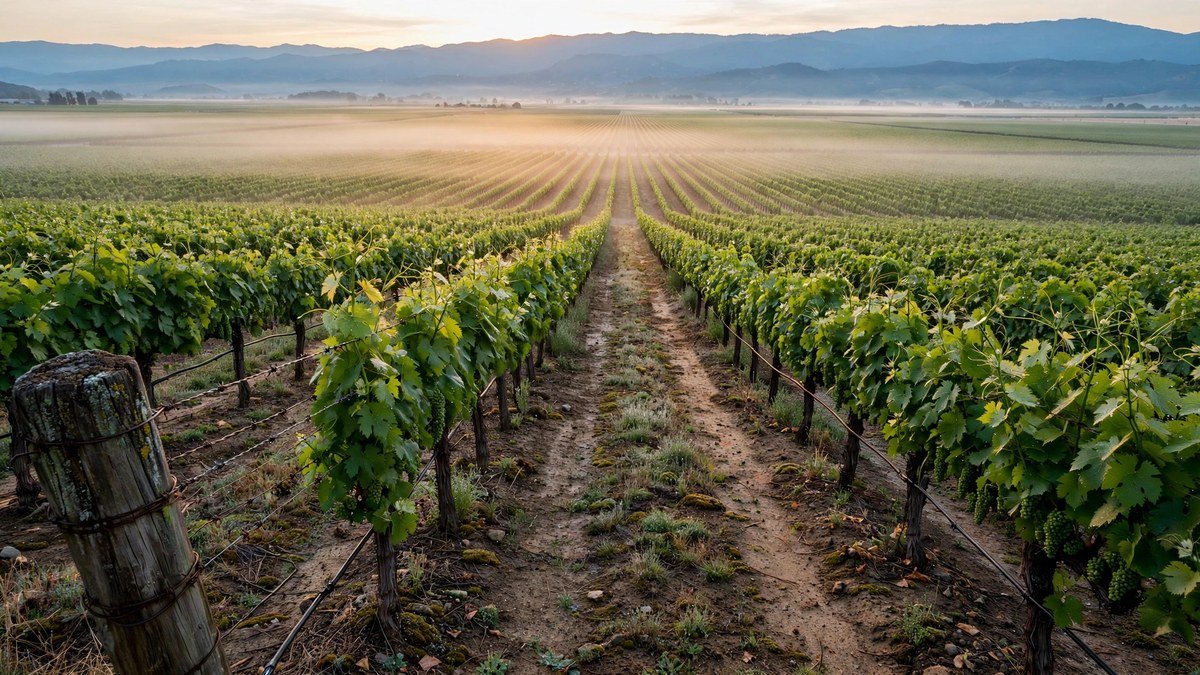
🖼️ Image: an AI-generated illustration of a California vineyard at dawn. It is not a photograph of Dolores Huerta.